Sentencing and Punishment of Child Pornography
📅 2026 Update: Recent Changes in Child Pornography Laws
Since the original article was published, there have been updates in the landscape of child pornography laws in the U.S. While federal laws remain largely unchanged, states continue to adjust their regulations to address new challenges. The rest of the article provides foundational information about these laws.
🛡️ Federal and State Laws
Federal laws criminalizing child pornography still protect minors under 18. The main law, 18 U.S.C. § 2251, continues to govern the production, distribution, and possession of such materials. States have their own laws, which often reflect federal guidelines but can differ in penalties and definitions.
Some states have recently tightened their regulations to adapt to digital advancements.
🔍 Technological Challenges
The rise of digital platforms has made it harder for law enforcement to detect child pornography. Encrypted communication poses challenges in tracking offenders. As technology evolves, so do the methods of those who create and share illegal content, making enforcement a continuous struggle.
🌐 International Cooperation
There is a growing trend of international collaboration to combat child exploitation. Countries are sharing information and resources, which helps tackle cross-border offenses. This cooperation is vital for addressing the global nature of child pornography.
⚖️ Penalties and Sentencing
While penalties have remained consistent, some states have increased the severity of sentences for child pornography offenses. Federal sentences still range from 5 to 20 years, depending on the specifics of the crime. States may impose additional fines and longer prison terms, reflecting a tougher stance on these crimes.
📌 Key Points
- Federal laws still criminalize child pornography under 18.
- States are tightening laws to reflect digital challenges.
- Increased international cooperation helps combat exploitation.
- Penalties remain severe, with federal sentences ranging from 5 to 20 years.
💡 Tips for Understanding Child Pornography Laws
Review the details of your situation with your attorney.
📖 Understand Federal and State Laws
Knowing the difference between federal and state laws is crucial. Federal laws provide a baseline, but state laws may offer stricter penalties or definitions. Familiarity with local regulations can inform your understanding of potential consequences.
🔍 Stay Informed on Technological Changes
With technology changing rapidly, staying informed is important. Understanding how digital platforms operate can help in recognizing the different ways child pornography can be shared or produced. This knowledge can also aid in identifying illegal activities.
📞 Utilize Victim Support Resources
If you or someone you know is affected by child pornography, reaching out to organizations like the National Center for Missing & Exploited Children is important. They offer resources and support tailored for victims and their families.
👮 Report Suspicious Activity
If you suspect someone is involved in child pornography, report it to local law enforcement or hotlines. Timely reporting can help protect potential victims and prevent further exploitation.
📝 Know Your Rights
Victims of child pornography have rights to seek justice. Understanding these rights can empower individuals to pursue legal action or support services, making it essential to be aware of available options.
🏆 Free Options Ranked by User Reviews (2026)
No national paid service in this area met the review threshold, so this section lists free government and nonprofit resources that provide support for victims and information about child pornography laws.
🥇 1. National Center for Missing & Exploited Children (NCMEC)
NCMEC is a leading organization focused on child protection. They provide resources for victims, families, and professionals. Their services include a 24-hour hotline and tools for online reporting of suspected exploitation.
🥈 2. RAINN (Rape, Abuse & Incest National Network)
RAINN offers support to survivors of sexual violence, including those affected by child pornography. They provide a confidential online chat and a national sexual assault hotline, helping individuals find the support they need.
🥉 3. Local Law Enforcement
Local police departments often have specialized units that handle child exploitation cases. They can offer information on reporting processes and available support services for victims and their families.
🔎 What to Check Before Paying for Help
- 🧐 Verify credentials of any organization.
- 📜 Research reviews and feedback from others.
- ❓ Ask about services offered to ensure they meet your needs.
- 💼 Confirm the legitimacy of the organization’s mission.
❓ Frequently Asked Questions
❔ What constitutes child pornography in the U.S.?
Child pornography includes any visual depiction of sexually explicit conduct involving a minor under 18 years old. This covers photographs, videos, and digital images.
❓ Are there different penalties for state and federal offenses?
Yes, penalties can vary between states and federal laws. Federal convictions can lead to sentences ranging from 5 to 20 years, while states may impose different penalties based on their laws.
❓ How can I report suspected child pornography?
You can report suspected child pornography to local law enforcement or contact organizations like the National Center for Missing & Exploited Children. They provide resources for reporting and support.
❓ What rights do victims of child pornography have?
Victims have the right to seek justice and access support services. Organizations like NCMEC can help victims and their families navigate their rights and available resources.
❓ How does child pornography relate to human trafficking?
Child pornography is often linked to human trafficking. Many victims are coerced or forced into producing explicit material, highlighting the need for protective measures.
❓ What resources are available for victims?
Several organizations, including NCMEC and RAINN, offer resources for victims of child pornography. They provide support, legal guidance, and avenues for reporting exploitation.
⚖️ Recent Cases in Child Pornography
Recent court rulings have continued to shape the landscape of child pornography laws in the U.S. These decisions reflect ongoing efforts to address the complexities of technology and exploitation.
- Pennsylvania court reinstates sex offender registration chargesSuperior Court of Pennsylvania · August 28, 2026
- Court denies parole credit for DUI offender with marijuana useCommonwealth Court of Pennsylvania · September 1, 2026
- Court upholds Marine's conviction for child pornography chargesNavy-Marine Corps Court of Criminal Appeals · September 1, 2026
- Court rules on sexual assault conviction of Navy officerCourt of Appeals for the Armed Forces · September 17, 2026
Explore more about recent rulings in the news section: more rulings on the news page.
End of October 2026 Update
An unfortunate side-effect of the rapid expansion of the Internet is the relative ease of producing, promoting, distributing, possession, and viewing of child porn. Child porn suspects should beware because they are not as anonymous as they may think.
Many law enforcement agencies have task forces dedicated to the eradication of child porn related material on the Internet. Public outcry and the heinous nature of this serious crime have also made child porn suspects a target of district attorneys and judges across the country. The public desires particularly harsh punishment for criminals engaged in any act of child pornography.
Men and women who are found guilty of this form of illegal sexual exploitation will face many years in imprison with the parole a slim possibility. After a convicted child pornographer is eventually released from prison; the convict is required to register as a sex offender. The registered sex offender is required to notify his or her neighbors and local schools of the crime he or she had committed in the past. The punishments resulting from a child pornography conviction are serious and can have a permanent negative impact.
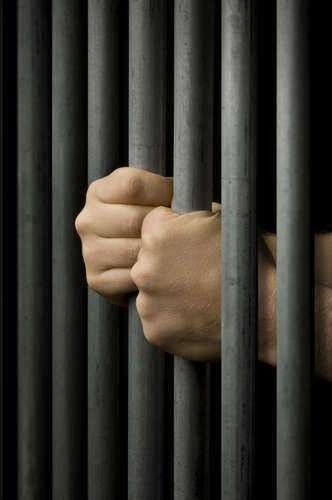
Generally, the worst punishments are reserved for the producers of child pornography. However, there have been cases in which child porn suspects were given a whopping 200-years in federal prison.
Child pornography is a federal violation subjecting child porn suspects to some of the harshest punishments the criminal justice system can deal within the scope of what is not cruel and unusual. The public sees the government as doing its duty to protect the public from the unlawful sexual exploitation of children. Federal law gives the least serious sentences to suspects who attempt to view child pornography.
In any case, child porn suspects face the harshest sentencing within the scope of the law. Child pornography is not a capital offense. Therefore, the death sentence is ruled out. However, a child porn suspect is basically subject to any prison sentence short of capital punishment.